

Do You Need a Menopause Skincare Routine? (Probably Not)

In this post
We need to stop fighting midlife, and start supporting it.
In perimenopause, falling and fluctuating oestrogen affects how well your skin holds on to water, so many women notice drier, tighter, itchier or more sensitive skin - sometimes with breakouts too. You probably don't need a special menopause skincare routine. A gentler one helps skin feel more comfortable: a gentle oil-based cleanser, a richer moisturiser, a very gentle body wash, and a soothing balm for the driest patches.
I shared a post on Instagram this week about how distorted our idea of "normal" skin has become. You can see it here.
When my skin stopped feeling like mine
My skin just felt different. Not oily. Not dry. Tight. Dull. Uneven. Not quite happy.
It dried out more easily, especially in autumn and winter, and I'd have periods of breakouts or uneven skin. It just didn't feel like my skin any more, so I did what I always do and went digging for the why.
If your skin suddenly feels tighter, duller or more temperamental and nobody's told you why, this is for you.

What I'm using right now
Not because any of it says "menopause" on the tin (it doesn't), but because this is what my skin feels happiest in at the moment:
- Lotus Cleansing Gel to cleanse. It melts the day off without leaving me squeaky.
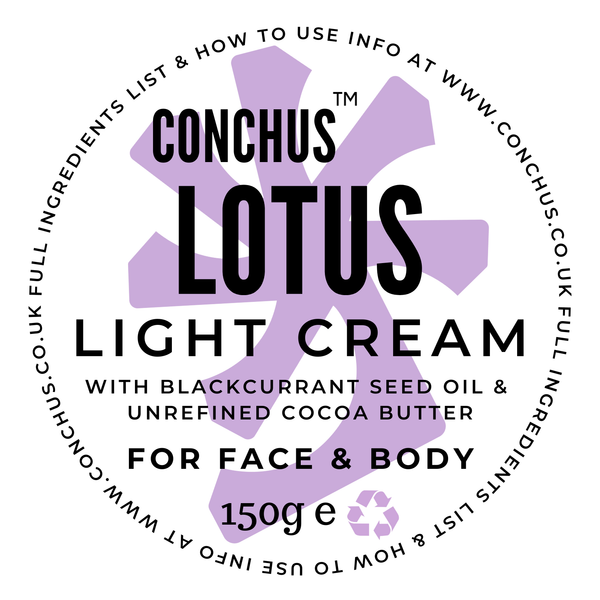
- Lotus Light Cream on damp skin.
- Lotus Body Balm on my hands, nails and cuticles, elbows, knees and lower legs.
- A little more balm on my cheeks before I leave the house when it's cold and windy. Devon has a high wind warning this weekend, so I'll be massaging some in before I head out.
- Giggle in the shower for its high olive oil content, or one of my triple butter body wash soaps, Olla and Cherry. And the water a little cooler.
- Lotus Deo Cream to finish. Even in autumn and winter, I still wear it to keep me fresh and smelling lovely. Do you too?
Why Lotus? Linoleic acid is a key component of ingredients that support the skin barrier, which is why Lotus features blackcurrant seed oil, with its high GLA content.

What happens to your skin in perimenopause?
Perimenopause is the stretch of years before your periods stop, when hormone levels rise and fall unpredictably. The menopause usually happens between 45 and 55, though it can be earlier (NHS). Skin changes, including dry and itchy skin, are a recognised symptom (Cambridge University Hospitals NHS).
The reason is oestrogen. It helps your skin make the things that keep it hydrated - ceramides, natural hyaluronic acid, sebum and collagen. As oestrogen drops, water escapes more easily, and skin can become dry, rough and itchy (Newson Health).
It's common. In a Newson Health survey, 64% of women reported dry skin and 56% itching (Newson Health).
Why am I getting spots again?
It feels deeply unfair to have dry skin and breakouts at the same time. But as oestrogen falls, the balance shifts towards the androgens you already have, which may trigger spots - 30% of women in that same survey reported them (Newson Health).
This is where harsh, drying spot products can backfire. Skin that's already losing water doesn't need stripping on top.
What about collagen?
Collagen is what gives skin its firmness. Oestrogen helps make it, and an estimated 30% of skin collagen may be lost in the first five years after menopause (Newson Health, citing Thornton 2013).
I'll be straight with you: no cream replaces that. Not mine, not anyone's. What good skincare can do is keep your skin comfortable, hydrated and cared for while it changes. That's worth a lot. It just isn't a reversal.
And please stop paying a fortune for collagen powder. Collagen is just protein, and protein is protein. Just add more protein into your diet naturally. (I'm not a nutritionist, so if you're unsure how much protein is right for you, ask your GP or a registered dietitian.)
You don't need a product with "menopause" on the label. You need fewer products that are kinder to the skin you've got now.

Do I need special menopause skincare?
No. "Menopause" has become a marketing label, and it often comes with a higher price. Most of what your skin needs in perimenopause is what dry, more sensitive skin has always needed: gentleness, richer moisture, and less of everything else.
A simple routine for perimenopause skin
- Cleanse gently with an oil-to-milk cleanser. If your skin feels tight after washing, your cleanser is too harsh. An oil-based cleanser melts away make-up and the day, then turns to a soft milk with water and rinses clean, so skin isn't left squeaky.
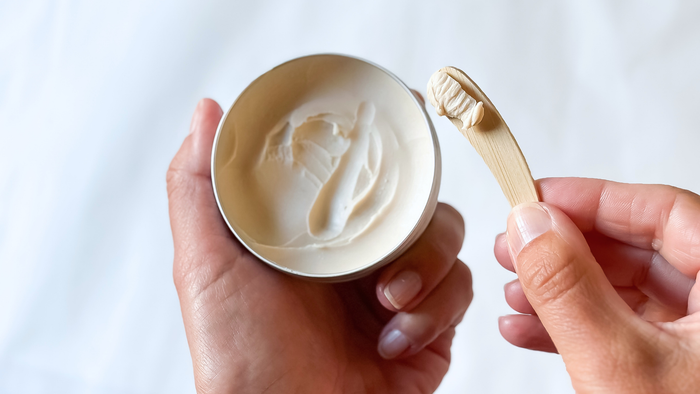
- Moisturise while skin is still damp. A richer cream applied straight after cleansing helps hold water in. Linoleic acid is a key component of ingredients that support the skin barrier, which is why Lotus features blackcurrant seed oil, with its high GLA content.
- Add a face oil at night if you need it. A few drops pressed in before or instead of your night cream.
- Wash your body gently. Very hot water and long soaks can leave dry skin feeling itchier, so turn the shower down a notch and swap anything harsh for a very gentle bar.
- Soothe the driest patches. Shins, hands, elbows and heels often feel the change first. A rich body balm pressed in after your shower keeps them comfortable.
- Choose a deodorant you like. If you're sweating more with hot flushes or night sweats, your deodorant may need a rethink too. I explain the options in deodorant vs antiperspirant, and what to expect if you switch in switching to natural deodorant.

Which one is for you?
Many customers in perimenopause choose one of these. Here's who each suits - and who it doesn't.
Lotus Light Cream - for dry, tight or changing skin
My own pick. A softer, richer cream for face and body, scented with clary sage, bergamot, ylang ylang, sweet orange and Roman chamomile. Not for you if your skin reacts to essential oils.
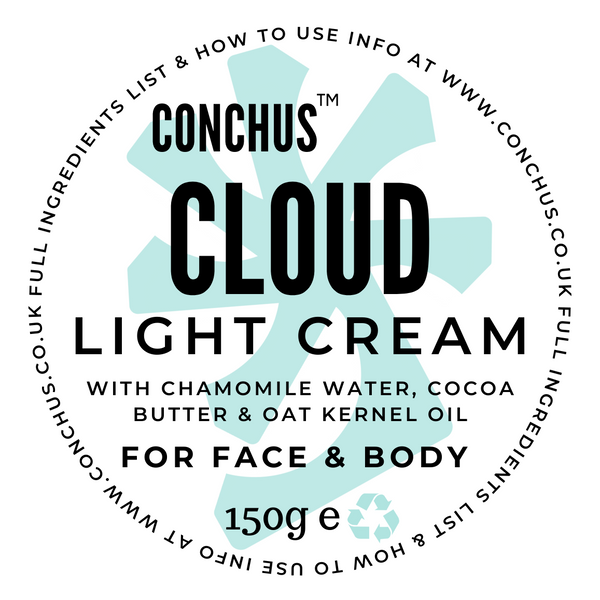
Cloud Light Cream - for itchy, reactive or sensitive skin
Unscented, with chamomile water, oat kernel oil, cocoa butter and shea, whipped light. The one I'd suggest if your skin has started reacting to things it used to tolerate.
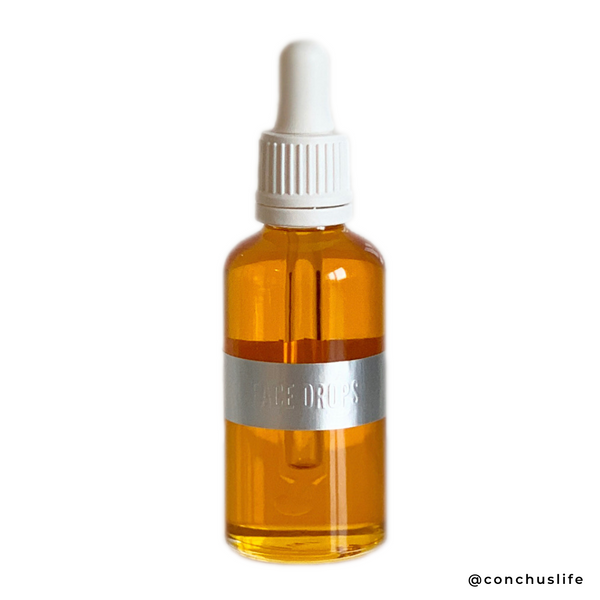
Face Drops #2 - for skin that needs more at night
Sea buckthorn, baobab, camellia, argan and jojoba with rose and ylang ylang. Lovely pressed in at night when a cream alone isn't enough. Not for you if your skin is oily or breakout-prone - try #3 instead.
The rest of your routine
Oil-to-milk cleanser: Lotus or Reef Cleansing Gel
Both are silky oil-gels that melt make-up and the day, then rinse clean with water. Lotus is softer and richer, made for dry, mature and everyday skin, with blackcurrant seed oil, plum kernel oil and golden jojoba. Reef is bright and citrus-fresh, made for oily, combination and everyday skin.
Very gentle body wash: Softy or Giggle
Both are olive oil based top to toe bars for hair, face and body, made for sensitive and dry skin. Softy is completely fragrance free. Giggle has a delicate scent of sweet orange and lemongrass.
Body balm for very dry skin: Lotus or Miracle Body Balm
A silky, quick-absorbing balm for the bits of you that feel the weather first - hands, heels, elbows, knees and cuticles. Lotus is scented with my Lotus blend. Miracle comes scented or unscented, so it's the one if you'd rather have no scent.
Deo Cream: whichever scent you prefer
My Deo Creams are aluminium free. They neutralise odour rather than blocking sweat, and sweating is completely normal. Choose the scent that feels like you: Lotus (citrus-floral and grounding), Peach Tea (fresh and citrus-sweet), Flora (floral citrus), Fauna (herbal and musky), Breeze (citrus and mint) or Cloud (unscented). Some people find a week or two for their body to settle in when they switch.
I'm not a doctor, and skincare can't treat menopause symptoms. If your skin is very itchy, sore or breaking out badly, or perimenopause is affecting your daily life, speak to your GP or pharmacist - they can talk you through options, including HRT.
Nut allergy? Face Drops #2, both cleansing gels and both body balms contain nut or kernel oils (apricot kernel, plum kernel or sweet almond). Check the full ingredient list on each product page.
You'll find more in my dry and mature skin collection.
Questions people ask
Can perimenopause cause dry skin?
Yes. Falling oestrogen affects how well skin holds on to water, and dry, itchy skin is a recognised symptom.
Can perimenopause cause breakouts?
It can. As oestrogen falls, the balance shifts towards androgens, which may trigger spots - even alongside dry skin.
Can a face cream replace lost collagen?
No. A good cream keeps skin comfortable and hydrated, but it can't replace collagen lost as hormones change.
Do I need menopause-specific skincare?
Not usually. Gentle cleansing, richer moisture and a soothing balm for very dry patches cover most of what perimenopause skin needs.
When should I see my GP about skin changes?
If itching is keeping you awake, skin is sore or broken, or symptoms are affecting your life. You don't have to just put up with it.
We need to stop fighting midlife, and start supporting it. A gentle routine is one small way to do that. Not sure which suits you? Start with a 10g light cream trial tin for £3.75 and see how your skin feels after a week or two. Or try a 15g Deo Cream trial tin for £4.45 to find your favourite scent. And if you'd like to talk about what your skin's doing, leave a comment below or send me a message. I'm going through it too.
Camilla x
Tell me what you think